











Men’s Midlife Health
Feel Better Now. Build a Stronger Foundation for What Comes Next.
A comprehensive, personalized approach to helping you stay healthy, active and resilient through your 40s, 50s and beyond.


Virtual Appointments • In-Person in Alexandria & McLean
Midlife as an Opportunity to Take Stock of Your Health
Content by Dr. Christopher Johnson, ND | Founder of Thrive Naturopathic
For many men, our health can be relatively good through most of our 20s and 30s, or even 40s. But at some point, we start to notice changes. Often times it’s as basic as “I just don’t feel as motivated and energetic as I used to”. It can also mean gaining weight more easily, poorer sleep, slower recovery or changes in libido or sexual function. Sometimes we start having issues with metabolic biomarkers like cholesterol, blood sugar and insulin.
None of these changes necessarily means that something is seriously wrong. But taken together, they tell us something important about how well your body is adapting as you get older.
And that makes midlife an opportunity.
Rather than waiting until these early changes become bigger health problems, this is a time to understand what is driving them, improve the areas that aren’t functioning optimally and build a stronger foundation for the decades ahead.
When I work with men in midlife, I take a comprehensive approach to men’s hormone health – which means I don’t just look at testosterone, but also the other factors that become increasingly important during this stage of life — including metabolism, stress-response patterns, sleep and nutrition.
The goal isn’t simply to correct a lab value or treat an individual symptom.
It’s to address underlying, fundamental systems in the body – to help you feel better now while also setting yourself up to be healthy and active in the next chapter of your life.
What Changes for Men in Midlife?
There isn’t a single event that defines men’s midlife from a health perspective.
Unlike with women, there’s no clear hormonal transition within a relatively narrow period of time. Changes tend to occur gradually, and the timing can vary considerably from one man to another.
Yes, hormones like testosterone and growth hormone start declining, but there are also underlying systems and forces in the body that both affect and respond to these changes. In other words, you can’t just focus on a couple hormone markers and think you understand the situation.
Hormones, metabolism, muscle mass, inflammatory signals, sleep and our stress response all influence one another. Understanding each of these areas — and which ones are most important in your particular case — is a big part of how I approach men’s health in midlife.
In terms of symptoms, some of the common concerns I see include:
- Lower energy or stamina
- Weight gain, particularly around the abdomen
- Difficulty maintaining or building muscle
- Low testosterone or other hormone changes
- Decreased libido or changes in sexual function
- Poor sleep
- Slower recovery from exercise
- Brain fog or difficulty concentrating
- Changes in motivation or drive
- Increasing blood sugar, insulin or cholesterol
- Feeling more affected by stress
- A general decline in how well you feel and function
You may have only one or two of these concerns, or several of them may be occurring together.
Either way, I don’t assume that getting older is the explanation and leave it at that. I want to understand the health of your fundamental systems – such as metabolism and the nervous and immune systems. I want to know what has changed and what we can improve.
Men's Hormone Health: It's not Just about testosterone
Testosterone is an important part of men’s hormone health. And when levels are low — or have declined significantly — it definitely impacts how you feel.
But when a man comes to me with midlife health issues, I don’t automatically assume testosterone is the underlying problem – in fact it’s rarely the only issue and many times it’s not even the main issue.
Testosterone is going to decline for all of us as we get older. You can’t change that (other than by taking supplemental testosterone – which brings with it all kinds of other health issues). What we can change though, is 1) the rate of decline and more importantly, 2) how our body interacts with and metabolizes testosterone.
The way we feel is determined not just by the absolute level of testosterone, but our body’s sensitivity to the hormone – how our tissues and systems react to it. And this sensitivity can be modified and improved substantially in most men.
Hormones are influenced by what is happening elsewhere in the body. Poor sleep, unhealthy stress response patterns, insulin resistance, excess body fat, nutritional imbalances and other health issues can all affect testosterone and how you feel.
That’s why I’m not simply asking: “Is your testosterone low?”
I want to understand what may be contributing to the change and whether testosterone is the primary issue, one part of a larger pattern or not actually the main problem at all.
Of course we’re going to test total and free testosterone, but we need to go well beyond that. We want to know all the other relevant biomarkers – whether hormonal, metabolic, inflammatory, immune-related or nutritional – and consider these results in the context of your symptoms, health history and where you are in midlife.
Testosterone does not exist in a vacuum. Its related to all kinds of other things happening in your body. The goal is to understand the bigger picture — and act on that basis.
“My wife and I wanted to treat the root cause of our health issues, not just mask symptoms with prescriptions. After researching functional medicine, we chose Thrive Naturopathic, and it was the best decision we could have made. Dr. Johnson, Dr. Fig, and Halicia Jones provided the most comprehensive blood screening we’ve ever had. Through their guidance on diet, fitness, and mindfulness, we’ve both lost weight, gained energy, and feel empowered as we approach our 60s. We finally have the tools to age gracefully without ‘punishing’ ourselves. I cannot overstate the benefits of Thrive’s program.
— Sean M., Google Review
“Working with Dr. Johnson and Halicia has been a game changer for my energy, mental clarity, back/hip pain, and overall health. The wellness program is truly holistic – addressing your mental health, nervous system, and physical health. I have a newfound appreciation for how my nervous system impacts the quality of my life. Since going through the program, I am sleeping better, eating better, moving better with less pain, making better decisions, and happier. I now have the tools to continue living at an elevated level. One of the best investments I’ve ever made. Thank you Dr. Johnson and Halicia!”
— Jason K., Google Review
Staying Strong and Healthy as You Age
An important thing to keep in mind as we focus on our health in midlife is that we’re not just trying to prevent disease – although that is in itself, important. We also want to preserve the things that allow us to function well as we get older.
Muscle mass and strength are a good example. We naturally tend to lose both with age, but the degree to which that happens varies enormously. Maintaining muscle affects much more than appearance — it influences metabolism, blood sugar regulation, bone health, physical capacity and our ability to remain independent later in life.
The same is true of cardiovascular and metabolic health. Blood pressure, cholesterol, insulin resistance and increasing abdominal weight may not cause obvious symptoms today, but what happens with these factors during midlife has a significant impact on health decades later.
This is why I don’t think the goal should simply be to live longer. What we want to do is actually extend the number of years in which we’re healthy, active and able to do the things that matter to us.
And midlife gives us an opportunity to work on these areas while we still have a great deal of ability to influence them.
Setting Yourself Up for the Next Chapter
For many men in midlife, we hadn’t given much thought to our health earlier in our lives – we were busy building our careers, our families, etc. And that is fine and normal. But often in midlife we see things are changing and we realize that if we want to have the life we envision going into the future, we’re going to have to put some time and attention into ourselves. We can’t just keep doing things the same way and expect to have a better outcome.
And this work is less about reaching a certain number on the scale or getting in shape for a particular event — and more about what you want your life to look like in 10, 20 or 30 years.
Do you want to remain active, sharp and physically capable? Maintain your strength and independence? Continue spending time with family, travelling and doing the things you enjoy? Maintain a healthy relationship and sex life?
The health decisions you make in midlife influence how well you’re able to do those things later.
That doesn’t mean you need to become obsessed with your health or completely restructure your life.
My approach is to identify the areas that matter most, understand what may be getting in the way and develop a realistic plan for improving them. Depending on what we find, this will include different versions of changing your nutrition, fitness, sleep and stress-response patterns, along with specific supplementation and natural therapies.
And because meaningful change doesn’t happens in a single visit, our care at Thrive is program-based. This gives us the opportunity to monitor how you’re responding, adjust the plan when necessary and help you make changes that actually become part of your life.
And the objective isn’t to make you 25 again – it’s to help you feel better now while building the health and resilience you’ll need for the years ahead.
Midlife Health Transformation - Real Experiences
“Dr. Johnson and his team completely transformed my life. When I arrived in April 2024, I was dealing with the residual effects of a medical issue that left me on numerous medications. I was overweight, my eating habits were sub-par, and I simply felt awful all of the time. I had been to numerous doctors and specialists who, time after time told me I was medically fine, yet I didn’t have the energy to chase after my toddler, let alone exercise. Dr. Johnson and his team took the time to listen to all of my symptoms and ask many questions. They developed a plan that included a regimented diet, supplements, and various lifestyle changes. The results came quickly.
As each week passed, I lost weight, had more energy, and, most importantly, gained confidence in myself. By the fall, I lost 55 pounds, and lowered my cholesterol by nearly 100 points. My doctors took me off all of the medications that they had previously told me I would be on for the rest of my life. When I asked these doctors why, they said it was because I made lifestyle changes that 99.9 percent of people don’t make.
Today, I still largely stick to my new healthy diet. I exercise regularly and more recently I started playing hockey again, something I never thought would be possible. Dr. Johnson, Dr. Fig, Halicia, and the rest of the team helped me become a better dad, husband, son, brother, friend, and co-worker. I’m forever grateful and cannot say enough positive things about Thrive Naturopathic.
— Marcus W., Google Review
Ready to Take a Closer Look at Your Health?
If you’ve noticed changes in your energy, weight, hormones, sleep, libido or overall health — or you simply want to be more proactive about how you age — we would be happy to talk with you in a free, 15-minute Discovery Call.
We’ll talk briefly about what you’ve been experiencing, what you’d like to improve and whether our approach at Thrive Naturopathic is a good fit for you.
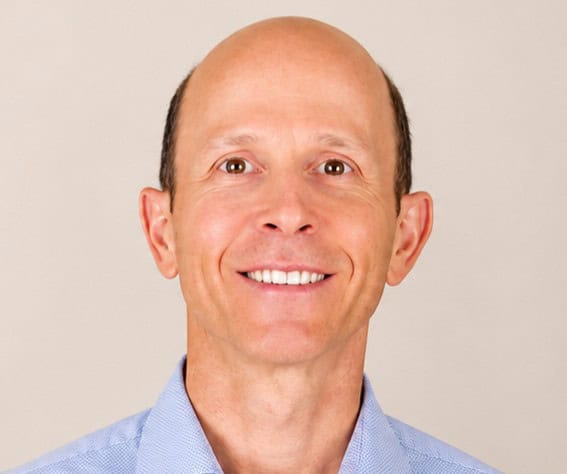
Meet Dr. Christopher Johnson
Dr. Christopher Johnson is a naturopathic doctor and founder of Thrive Naturopathic in Alexandria and McLean, Virginia. Over the past 18+ years, he has worked with more than 3,000 patients, with a focus on midlife hormone health, metabolic and stress-related health concerns using functional medicine.
His approach helps patients better understand and address the patterns behind their symptoms through structured, systems-based care.
Former Editor-in-Chief of The American Journal of Homeopathic Medicine and former Vice President of the Virginia Association of Naturopathic Physicians.